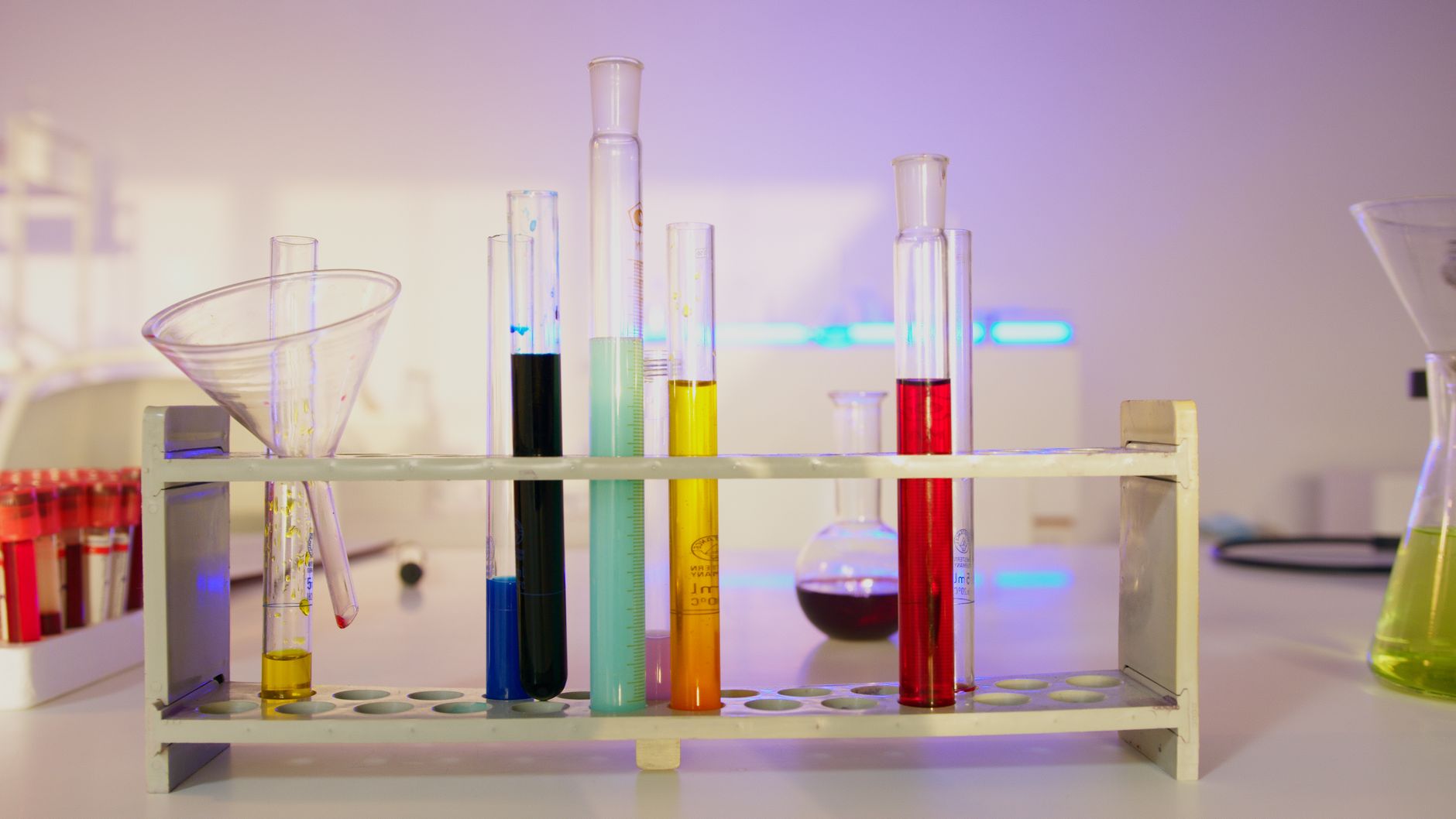
Peptides are everywhere in the longevity and recovery conversation. Yet few people realize how thin the human evidence base remains for two of the most searched compounds online.
A Long Way From the Bench
A 2015 review of BPC-157 noted that most of its preclinical data comes from rodent models, with human trials limited in scope Gwyer et al., 2019. That single fact frames the entire regulatory debate.
The U.S. Food and Drug Administration (FDA) is scheduled to convene its Pharmacy Compounding Advisory Committee (PCAC) in 2026. Peptide compounding sits high on the agenda.
Before the meeting makes headlines, it helps to know what these molecules actually are. Let’s start at the beginning.
What Is BPC-157?
BPC-157 stands for Body Protection Compound-157. It is a synthetic peptide — a short chain of amino acids — derived from a protein found in human gastric juice.
Research suggests the peptide is unusually stable in the gut. That stability is one reason it drew early attention from researchers studying tissue response.
Animal studies have examined BPC-157 in tendon, muscle, and gastrointestinal contexts. The compound is often discussed in the context of the bpc-157 research landscape.
Crucially, most findings remain preclinical. Studies indicate that the jump from rat models to human outcomes is where most peptide research stalls.
What Is TB-500?
TB-500 is the trade name used in compounding circles for thymosin beta-4. Thymosin beta-4 is a naturally occurring peptide involved in actin regulation — the cellular “scaffolding” that shapes how cells move.
Research on thymosin beta-4 has focused on cell migration and tissue remodeling. A study of its expression patterns suggests broad involvement in wound response pathways Smart et al., 2007.
TB-500 is usually discussed alongside BPC-157 in recovery-focused research. You can read more on our tb-500 compound page.
Again, the caveat is important. Human evidence is sparse. Most conclusions drawn from lab and animal settings have not been validated in controlled human trials.
Why the FDA Is Paying Attention
Compounded peptides occupy a regulatory gray zone. They are not FDA-approved drugs, yet pharmacies may prepare them under specific state and federal provisions.
In 2023, the FDA placed several peptides on its “demonstrable difficulties for compounding” list. BPC-157 and TB-500 were among the names referenced in the ongoing review.
The PCAC’s role is advisory. It evaluates the safety and feasibility of compounded substances and makes recommendations. Those recommendations carry weight with the FDA’s Center for Drug Evaluation and Research (CDER).
The 2026 meeting is expected to revisit categorization. Observers anticipate discussion of both bulk drug substance designations and patient-access considerations.
A Chronological Timeline
Understanding the timeline helps clarify the stakes.
Pre-2020. Most BPC-157 and TB-500 data lived in preclinical journals. Access was largely through research-chemical suppliers.
2020–2023. Interest surged. Compounding pharmacies expanded peptide offerings. Regulators began receiving adverse-event signals from unregulated sources.
2023–2024. The FDA issued its compounding difficulty evaluations. Some peptides were effectively pulled from routine compounding practice.
2025–2026. The PCAC scheduled a comprehensive review. Stakeholders from pharmacy, research, and patient advocacy groups are preparing submissions.
What the Research Actually Shows
It’s easy to overstate findings. Let’s be precise.
Research suggests BPC-157 may influence angiogenesis — the formation of new blood vessels. Rodent studies have reported changes in vascular markers following administration.
Studies indicate thymosin beta-4 may support cell migration in tissue contexts. That mechanism is why it appears in wound-healing literature.
Neither statement translates to a clinical claim. The evidence supports further research, not current therapeutic positioning. For broader context on preclinical findings, see our peptide research overview.
A 2021 survey of the peptide literature underscored the limited scope of human-controlled data across the category Ber et al., 2021.
What Stakeholders Want
Pharmacy advocates argue that patient access depends on continued compounding options. They point to documented cases where patients report benefit anecdotally.
Research scientists urge caution. They note that uncontrolled use of compounded peptides creates a data gap, not data.
The FDA’s position balances safety with access. Its final determinations will shape what is legally available for years to come.
Reading the Tea Leaves
Exact PCAC outcomes are impossible to predict. But three scenarios seem plausible.
First, status quo. Some peptides remain restricted, and research pathways stay unchanged.
Second, expanded research designations. Compounding may continue under stricter reporting and quality controls.
Third, full reclassification. Certain peptides could move toward approved-drug pathways, requiring clinical trials.
Each scenario affects researchers and consumers differently. The 2026 meeting is the pivot point.
Why This Matters Beyond the Compounds
BPC-157 and TB-500 are flashpoints. The larger story is about how regulators handle bioactive molecules that outpace clinical validation.
Researchers tracking related peptide research will be watching closely. The decisions made in 2026 will echo through the next decade of peptide study.
Frequently Asked Questions
Is BPC-157 approved by the FDA? No. BPC-157 is not FDA-approved for any indication. It is currently available for research purposes, and its compounded status is under regulatory review.
What is the difference between BPC-157 and TB-500? BPC-157 is a synthetic gastric-derived peptide. TB-500 refers to thymosin beta-4, a peptide involved in actin regulation. Research suggests different mechanisms of action.
Will the 2026 PCAC meeting ban peptide compounding? The PCAC is advisory. Its recommendations inform FDA decisions but do not themselves change the law. Outcomes may range from continued restrictions to updated pathways.
Are there human studies on these peptides? Human data is limited. Most published research uses rodent or in vitro models. Controlled human trials are scarce across the category.
Where can I learn more about peptide research? Our compound pages on bpc-157 and tb-500 cover mechanisms and current literature in more depth.