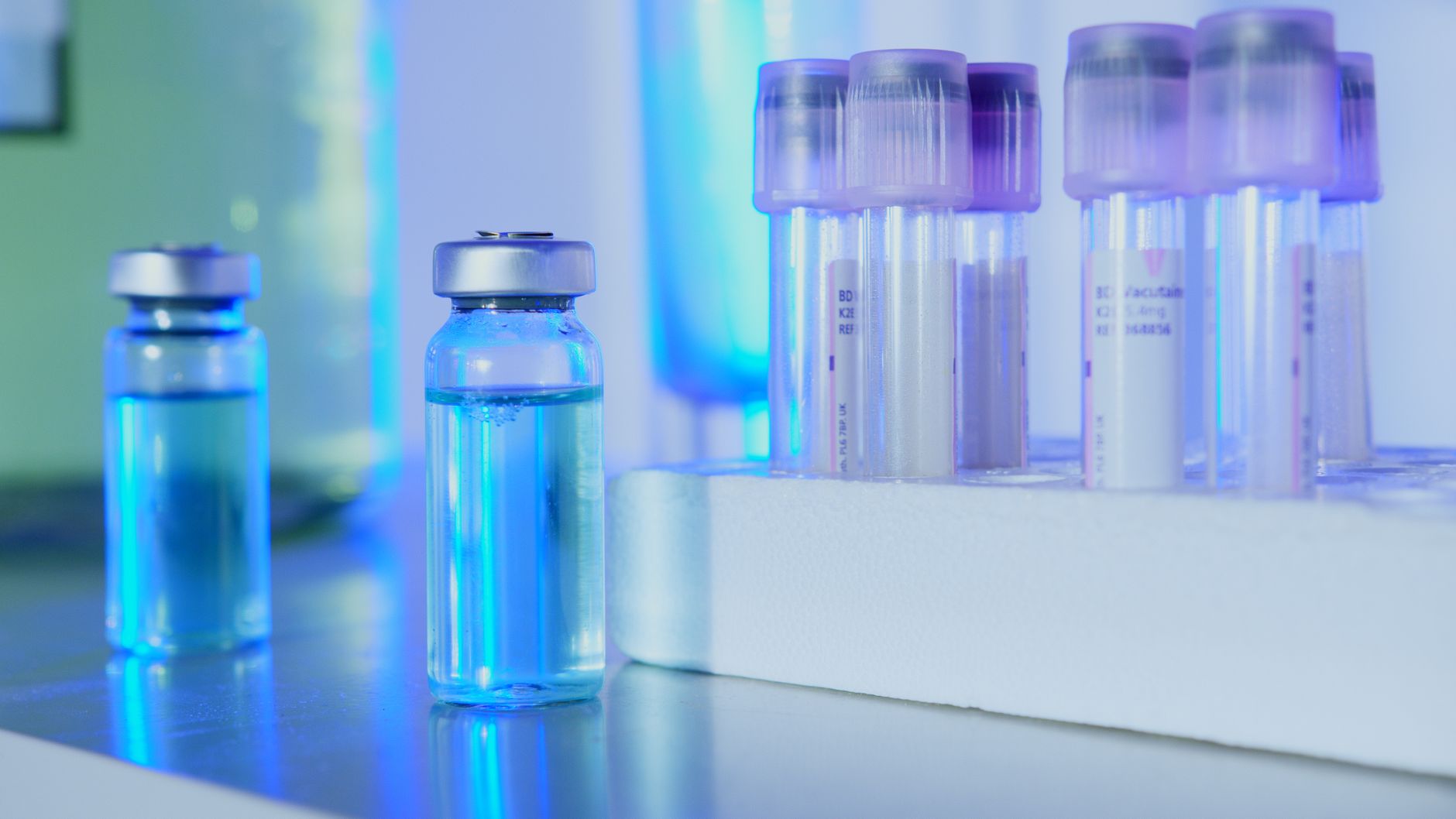
How We Evaluated Suppliers: The Decision Criteria
Before comparing any supplier, it helps to define what you’re comparing. After reviewing the available literature on peptide quality standards, regulatory frameworks, and supply-chain integrity, we identified six criteria that research suggests are the most relevant when evaluating a semaglutide source:
1. Third-Party Testing and Certificates of Analysis (COAs)
Does the supplier publish independent lab results — not just in-house testing — for each batch? A legitimate COA should confirm identity, purity (typically ≥97% for research-grade peptides), and the absence of heavy metals or endotoxins. Studies indicate that even small deviations in peptide purity can affect downstream research outcomes, making this arguably the single most important criterion PMID: 30579951.
What to look for:
- Batch-specific COAs from an ISO 17025–accredited laboratory
- HPLC (High-Performance Liquid Chromatography) and mass spectrometry data
- Clear lot numbers traceable to specific product batches
2. Purity and Formulation Accuracy
Semaglutide is a modified GLP-1 analogue — a 31-amino-acid peptide with a C-18 fatty diacid side chain. Synthesizing it correctly is non-trivial. Research suggests that the structural modifications that give semaglutide its extended half-life also make it more sensitive to manufacturing errors than simpler peptides PMID: 25430475.
What to look for:
- Stated purity of ≥98% for clinical-compounding contexts, ≥95% for research contexts
- Clearly labeled concentration (e.g., 2 mg, 5 mg, 10 mg per vial)
- Absence of undisclosed fillers, stabilizers, or carrier peptides
3. Regulatory Compliance and Sourcing Transparency
Semaglutide is an FDA-approved active pharmaceutical ingredient (API). How a supplier sources and handles that API says a great deal about their operation. Licensed compounding pharmacies operate under state board oversight and must comply with USP <795> (non-sterile) or <797> (sterile) standards. Research peptide vendors, by contrast, may operate under fewer formal constraints.
What to look for:
- State pharmacy license numbers (for compounding pharmacies)
- DEA registration (if applicable)
- Clearly stated country of origin for raw API
- Transparent sourcing chain — vague “pharmaceutical-grade” claims without documentation are a red flag
4. Storage, Handling, and Cold-Chain Logistics
Semaglutide requires refrigerated storage (2–8°C) to maintain stability. A supplier that ships a temperature-sensitive peptide in a standard padded envelope during July is not one you should trust — regardless of how low their prices are.
What to look for:
- Cold-chain shipping with temperature monitors or data loggers
- Insulated packaging with ice packs or dry ice
- Clear storage instructions included with the product
- Shipping methods that account for transit time and ambient temperature
5. Pricing and Per-Milligram Value
Price matters, but it’s rarely the first thing that should matter. Extremely low pricing may reflect lower purity, inconsistent dosing, or questionable sourcing. That said, overpaying doesn’t guarantee quality either.
We evaluated pricing on a per-milligram basis to allow apples-to-apples comparison across different vial sizes and concentrations.
6. Customer Support, Return Policies, and Community Reputation
A supplier’s willingness to stand behind their product — through responsive customer service, clear refund policies, and engagement with the research community — may indicate operational maturity and confidence in their quality control.
Our Recommendation: A Decision Checklist
Based on the evaluation above, here’s a practical checklist for comparing any semaglutide supplier in 2026:
- Ask for a batch-specific COA from an ISO 17025–accredited lab. If they can’t provide one, walk away.
- Verify purity claims. Look for HPLC data showing ≥97% purity. The higher the better, but anything below 95% should raise concerns.
- Confirm cold-chain shipping practices. Ask specifically how the product is packed and shipped.
- Check regulatory status. For pharmacies, verify their state license. For research suppliers, look for transparency about their manufacturing partners.
- Calculate per-milligram cost. Don’t be swayed by low sticker prices on small vials — the math often tells a different story.
- Read independent reviews. Community forums, third-party testing sites, and verified buyer feedback are more informative than a supplier’s own marketing.
Frequently Asked Questions
What purity level should I expect from a semaglutide supplier?
For research-grade semaglutide, look for purity of ≥97% as confirmed by HPLC analysis. For compounding pharmacy products, USP-grade standards typically require even higher purity. Anything below 95% is a red flag, as research suggests that impurities in peptide synthesis may include truncated sequences or deamidated variants that could affect experimental outcomes PMID: 30579951.
How can I verify that a Certificate of Analysis is legitimate?
Start by checking whether the testing laboratory listed on the COA is ISO 17025–accredited and independent of the supplier. You can often verify accreditation through the lab’s website or national accreditation body. Next, confirm that the lot number on the COA matches the lot number on the product you received. Batch-specific COAs (rather than generic “representative” ones) are the standard you should expect.
Is it legal to buy semaglutide from research peptide suppliers?
In the United States, research peptides can be legally sold for legitimate research purposes. However, semaglutide is an FDA-approved drug, and purchasing it from non-pharmacy sources for personal therapeutic use exists in a regulatory gray area. Regulations vary by jurisdiction, so it’s worth understanding the legal framework in your specific location before ordering.
Why does cold-chain shipping matter so much for semaglutide?
Semaglutide is a peptide, and peptides are inherently sensitive to temperature. Elevated temperatures can accelerate degradation, aggregation, and deamidation — processes that may compromise the compound’s structural integrity. The STEP trials stored semaglutide at 2–8°C to maintain stability throughout the study period PMID: 33529646. A supplier that doesn’t maintain cold-chain logistics during shipping may be delivering a degraded product.
Are telehealth platforms a reliable way to access semaglutide?
Many telehealth platforms partner with licensed compounding pharmacies and provide physician oversight, which adds meaningful accountability. However, the reliability of your experience depends on the specific platform and its pharmacy partner. Before committing, ask which pharmacy compounds the product, whether batch-specific COAs are available, and how cold-chain shipping is handled. If the platform can’t answer these questions clearly, consider alternatives.
In the STEP 1 trial, participants receiving semaglutide 2.4 mg once weekly experienced a mean body weight change of approximately −14.9% from baseline over 68 weeks — a figure that rewrote the conversation around obesity pharmacotherapy almost overnight PMID: 33567185. That single statistic sent demand for semaglutide surging across both clinical and research communities, and it hasn’t slowed down since.
With that demand has come a sprawling marketplace. Telehealth platforms, compounding pharmacies, research peptide vendors, and gray-market international suppliers all compete for attention — each promising quality, purity, and value. But not all suppliers are created equal, and the differences between them can matter enormously when you’re dealing with a peptide-based compound that requires precise manufacturing, cold-chain logistics, and rigorous third-party verification.
This guide is built for researchers, clinicians-informed buyers, and anyone navigating the 2026 semaglutide supplier landscape. We’re not here to sell you anything — our comprehensive semaglutide compound page covers the pharmacology in depth — but we are here to give you a decision framework you can use to evaluate any supplier against objective, evidence-informed criteria.
Let’s break down what actually matters.
Supplier Categories Compared
Rather than reviewing individual vendors (which can change ownership, licensing, or quality standards at any time), we think it’s more useful to compare the major categories of semaglutide suppliers against the criteria above. This framework holds up regardless of which specific company you’re evaluating.
Category A: Licensed Compounding Pharmacies
Licensed compounding pharmacies prepare semaglutide under the supervision of a licensed pharmacist, typically for patients with a valid prescription. In the United States, they’re regulated by state boards of pharmacy and must adhere to USP standards for sterile compounding.
| Criterion | Rating | Notes |
|---|---|---|
| Third-party testing / COAs | ★★★★☆ | Most reputable compounders provide COAs; quality varies by pharmacy |
| Purity & formulation | ★★★★☆ | High standards expected, but batch-to-batch consistency depends on the pharmacy |
| Regulatory compliance | ★★★★★ | Licensed and inspected by state boards; strongest regulatory framework |
| Cold-chain logistics | ★★★★☆ | Typically use pharmaceutical-grade cold shipping; generally reliable |
| Pricing | ★★★☆☆ | Often the most expensive per-milligram option due to regulatory overhead |
| Support & reputation | ★★★★☆ | Usually strong; many have established patient and clinician relationships |
Summary: Compounding pharmacies offer the strongest regulatory oversight and are the most appropriate option in clinical contexts. The trade-off is cost and, in some cases, availability — supply constraints have been an ongoing issue since 2023.
Category B: Telehealth Platforms
Telehealth platforms that specialize in GLP-1 medications have proliferated since 2023. These platforms typically pair a licensed physician consultation with fulfillment through a partner compounding pharmacy. The patient experience is streamlined, but the quality of the end product depends entirely on which pharmacy the platform partners with.
| Criterion | Rating | Notes |
|---|---|---|
| Third-party testing / COAs | ★★★☆☆ | Some platforms are transparent about their pharmacy partner’s testing; many are not |
| Purity & formulation | ★★★★☆ | Depends on the partner pharmacy — ask specifically |
| Regulatory compliance | ★★★★☆ | Physician oversight adds a layer of accountability |
| Cold-chain logistics | ★★★★☆ | Generally handled by the partner pharmacy; quality varies |
| Pricing | ★★★☆☆ | Moderate to high; subscription models can obscure true per-milligram cost |
| Support & reputation | ★★★★☆ | Convenient; reviews are mixed depending on the platform |
Summary: Telehealth platforms are convenient and add physician oversight, but due diligence on the partner pharmacy is essential. Not all telehealth models are equal.
Category C: Research Peptide Suppliers
Research peptide vendors sell semaglutide labeled “for research use only” or “not for human consumption.” These suppliers exist in a different regulatory category than pharmacies. In the United States, research peptides are legal to sell for legitimate research purposes, but the quality assurance landscape is less standardized.
This is the category where the widest variation in quality exists — and where your due diligence matters most. Our buying guide for semaglutide goes deeper into what to look for specifically in this space.
| Criterion | Rating | Notes |
|---|---|---|
| Third-party testing / COAs | ★★★☆☆ | The best suppliers publish batch-specific HPLC COAs; many do not |
| Purity & formulation | ★★☆☆☆ | Enormous range — from ≥99% to well below stated claims |
| Regulatory compliance | ★★☆☆☆ | Minimal formal oversight; USP standards are voluntary |
| Cold-chain logistics | ★★☆☆☆ | Inconsistent — some use proper cold shipping, others don’t |
| Pricing | ★★★★★ | Typically the lowest per-milligram cost |
| Support & reputation | ★★★☆☆ | Highly variable; community forums and third-party reviews can help |
Summary: Research peptide suppliers offer the best pricing but demand the most scrutiny. If you choose this route, insist on batch-specific third-party COAs, verify the testing lab’s accreditation, and assess cold-chain practices before ordering.
Category D: International and Gray-Market Suppliers
Some buyers source semaglutide from international pharmacies, online marketplaces, or unregulated platforms. While pricing can be attractive, the risks are substantial. Counterfeit and underdosed semaglutide products have been documented in multiple regulatory alerts.
| Criterion | Rating | Notes |
|---|---|---|
| Third-party testing / COAs | ★☆☆☆☆ | Rarely available; difficult to verify |
| Purity & formulation | ★☆☆☆☆ | Unknown in most cases |
| Regulatory compliance | ★☆☆☆☆ | No domestic oversight; legal gray areas |
| Cold-chain logistics | ★☆☆☆☆ | Long international transit increases risk of temperature excursions |
| Pricing | ★★★★☆ | Low upfront cost, but risk-adjusted value is poor |
| Support & reputation | ★☆☆☆☆ | Minimal recourse if something goes wrong |
Summary: We cannot recommend this category. The absence of verifiable testing, regulatory accountability, and cold-chain integrity makes it the riskiest option by a wide margin.
The Bottom Line
The semaglutide marketplace in 2026 is more mature than it was two years ago, but it’s also more crowded and harder to navigate. Licensed compounding pharmacies remain the gold standard for regulatory oversight and formulation reliability, though they come at a premium. Telehealth platforms offer convenience but require verification of their pharmacy partners. Research peptide suppliers can offer excellent value — but only when they meet rigorous third-party testing standards.
Regardless of which category you’re evaluating, the framework above should help you ask the right questions. The research around semaglutide’s mechanism and pharmacology is compelling, but the quality of the compound you use matters just as much as the science behind it.
This article is for informational and research purposes only. It does not constitute medical advice. Always consult a qualified healthcare provider before making decisions related to prescription medications. For more on semaglutide’s pharmacological profile, visit our semaglutide compound page.